Appointment prep

How to track your cycle for a gynecologist appointment

It can be hard to recall when symptoms started and how they changed. Dated notes can give you a clearer record to discuss at an appointment.

What to log, specificallyDoctor-ready reportBaeMax is in private beta on Android.
By BaeMax LovePublished How we compare
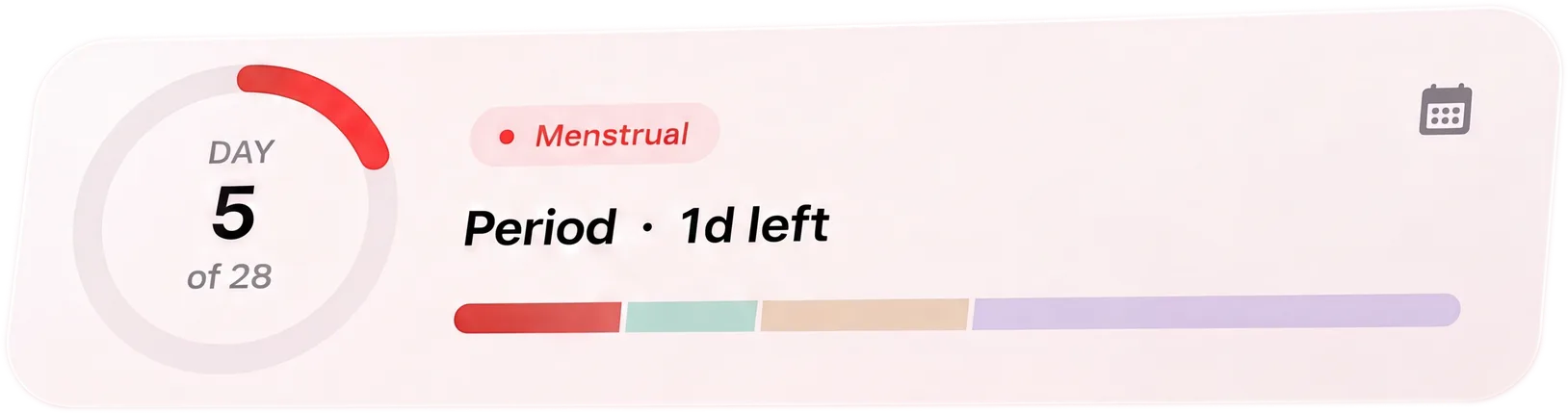
BaeMax dated cycle timeline for preparing for an appointment
Short answer

A specific, dated symptom history may help you describe what happened at a gynecology appointment. Record the details that matter to you and ask the clinic if it wants anything specific. BaeMax tracks structured symptoms and can build a doctor-ready report from that history. This is appointment prep, not medical advice, and a clinician should interpret what it means.

Practical guide

Track what a gynecologist can use

The appointment goes better when you can give dates and examples instead of saying 'it has been bad lately' and hoping memory fills in the rest.

Start with basics

You shouldn't try to log everything perfectly. A consistent simple record is more useful than a detailed record you abandon after three days.

  • Period start date and end date
  • Flow level by day
  • Pain level and location
  • Spotting, clots, nausea, fatigue, mood changes, or anything unusual

Add context that changes care

Symptoms matter more when they affect daily life. Those details help explain why the problem deserves attention.

  • Missed work, school, sleep, exercise, or plans
  • Pain medication use and whether it helped
  • Bleeding through products or changing products very often
  • New symptoms, sudden changes, or symptoms outside your normal pattern

Track the parts a clinician can use

More detail is not always more useful. Start with the facts you can keep logging without making yourself anxious.

  • Dates, flow, pain severity, and pain location
  • Symptoms that change sleep, work, school, sex, or daily plans
  • Medication or birth control changes if relevant
  • Questions you want answered at the appointment

Bring questions, not conclusions

Tracking helps you explain what happened. The clinician still interprets the pattern and decides what evaluation makes sense.

  • Ask what patterns are concerning
  • Ask what symptoms should trigger urgent care
  • Ask what to track before follow-up
  • You shouldn't use app predictions as medical certainty

Review the log the day before, not in the waiting room

Set aside ten quiet minutes to find the main change and write it in one sentence. Calculate cycle length from the first day of one period to the first day of the next, but do not hide irregularity by averaging everything. Circle episodes that were unusually painful, heavy, prolonged, or disruptive. Mark missing days as missing. A partial prospective record is more useful than a perfect-looking timeline reconstructed from memory.

  • Bring the earliest and most recent relevant dates.
  • List what you tried and whether it helped, without changing treatment solely for the log.
  • Put the most important question first in case the appointment is short.
  • Seek urgent help for severe bleeding, sudden intense pain, fainting, or possible pregnancy complications rather than waiting for a scheduled visit.
  • Write down the date of the last normal period if known, but say when you are unsure rather than selecting a convenient date.
How it works
  1. Start logging at least one full cycle before the appointment if you can, two is better.
  2. Log specific dates: when flow starts and ends, not just 'around this time of the month.'
  3. Rate pain with a number or scale and note where it is, since 'bad cramps' means different things to different people.
  4. Note anything unusual, spotting between periods, sudden changes in flow, new symptoms you haven't had before.
  5. Write down questions as they occur to you over the weeks, not the night before, since you'll forget half of them otherwise.
  6. Pull it into one summary before you go, whether that's a written list or a BaeMax doctor-ready report, so you're not flipping through weeks of notes in the room.
  7. If you already have history in a CSV, import it first so the report can start from past dates instead of a blank record.
What it does
Structured

Structured fields, not a blank note

Flow, pain location, severity, mood, sleep and more, logged consistently so the pattern is visible rather than remembered.

Clear

Range-based predictions

Predictions are shown with a window and a confidence label so you and your doctor aren't working from a false exact date.

Portable

One report for the appointment

The doctor-ready report pulls your logged history into a single summary instead of you reading off your phone screen by screen.

  • Log at least one, ideally two, full cycles before the visit
  • Track exact dates, not approximate ones
  • Rate and locate pain consistently
  • Note anything unusual as it happens, not from memory later
  • Bring a single summary, not raw notes, into the room
Key facts
Track first
Period start and end dates, flow and the symptoms that affect daily life
Add context
Severity, timing, duration, medication or self-care tried and what changed
Appointment prep
Bring your questions, medication list and relevant past records
BaeMax output
A doctor-ready report built from the entries you recorded
Privacy
Cycle tracking works solo and does not require partner sharing
Medical limit
The report supports a conversation and does not provide a diagnosis

Common questions

how do i make a symptom summary before a gynecology appointment?
Log them as they happen rather than trying to recall weeks later, memory under appointment stress is unreliable for almost everyone. A tracker that turns logs into a single report, like BaeMax's doctor-ready summary, saves you from flipping through notes in the room. It's appointment prep though, the doctor still does the interpreting.
how many cycles should i track before my appointment?
Bring whatever history you already have; do not delay an appointment just to collect more data. Ask the clinic whether it wants a particular time span or format.
what specifically should i be writing down, i don't know what matters?
Dates, flow, pain, other symptoms, and impact on daily life can help describe your experience. Ask your clinician what matters for your situation rather than treating an app checklist as medical guidance.
can i just tell my doctor from memory instead of tracking?
Yes. Tracking is optional. If dates, frequency, or impact are hard to recall, a short written record may help you describe what happened. Ask your clinician what information they want.
is a phone app report useful or do doctors just ignore it?
Preferences vary by clinician. Ask ahead whether they want a printed summary, a brief list of dates and symptoms, or their own intake form.

Turn the signal into something useful

Use BaeMax when a partner needs a clearer check-in, a short note, or one practical task instead of another long conversation.

Android private beta. The iPhone version is in development.