PCOS support

How to support a partner with PCOS

PCOS is not one fixed pattern. Ask your partner what it looks like for them, what help is welcome, and what they would rather keep private.

Learn the patternNot a diagnosisBaeMax is in private beta on Android.
By BaeMax LovePublished How we compare
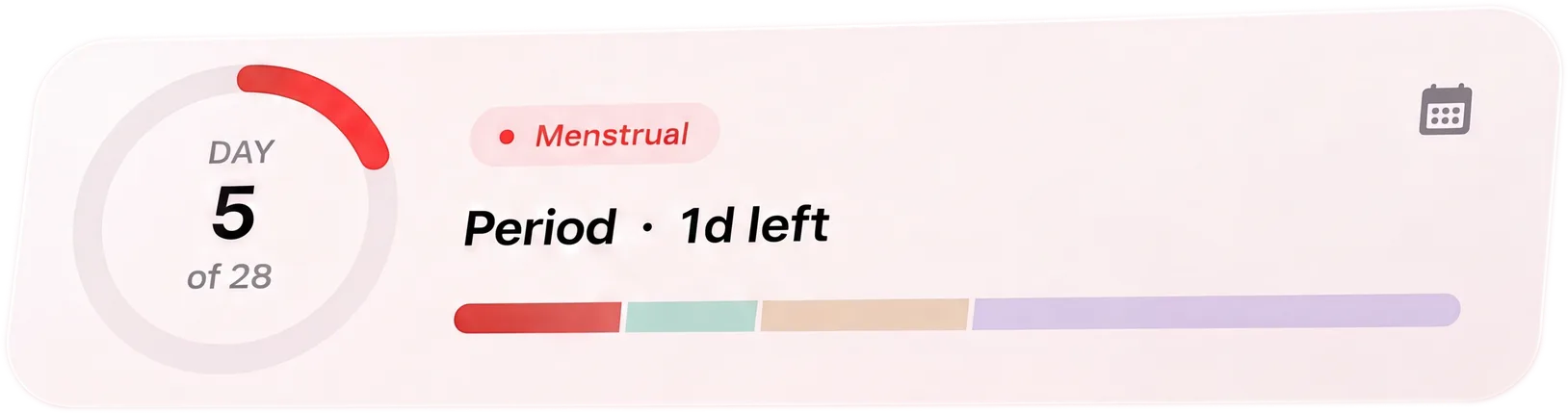
BaeMax cycle timeline used to record irregular patterns
Short answer

PCOS support starts with your partner's own preferences, not a general symptom list. BaeMax lets someone track symptoms privately and optionally share a summary with one partner, who then gets practical, easy-to-decline suggestions built from stated preferences. This is not medical advice or a PCOS diagnosis tool, and questions about treatment belong with a doctor.

Practical guide

Support PCOS without acting like a doctor

PCOS support is usually not about guessing the right medical answer. It is about believing the pattern, reducing friction, and not making someone explain the same symptoms again.

What a partner can do

A partner can help with memory, logistics, and care preferences. The person with PCOS still defines what is happening and what kind of help is wanted.

  • Ask what symptoms matter for them specifically
  • Notice patterns without making accusations
  • Ask what kind of help is welcome before symptoms spike
  • Help with food, rest, tasks, and appointment prep
  • Accept that irregular does not mean exaggerated

How BaeMax can help

BaeMax gives the person with PCOS a private place to track and an optional way to share selected context with one partner.

  • Symptoms can be logged privately first
  • Sharing is optional and category based
  • Support suggestions should be easy to decline
  • Partner view should reduce questions, not create pressure

Medical line

BaeMax does not diagnose PCOS, judge treatment, or replace clinical care. It can organize lived history so a real appointment is less dependent on memory.

  • Use clinicians for diagnosis and treatment
  • Use the app for dates, symptoms, notes, and support preferences
  • Seek urgent care for severe or unusual symptoms
  • You shouldn't use logs to dismiss what your partner says

Prepare support around the appointment, not the diagnosis

PCOS can affect cycles, skin, hair, metabolism, fertility, mood, and daily energy differently from person to person. A useful partner does not assume which part matters most. Offer to help assemble dates, questions, medication lists, or transport, then let the person decide whether you attend. During the visit, listen rather than translating their experience for them. Afterward, ask which practical change would reduce work this week.

  • Avoid promising that a diet, supplement, or exercise plan will fix PCOS.
  • Avoid comments about weight, fertility, hair, or skin unless the person invites that conversation.
  • Record treatment start dates only if the tracker wants help noticing effects or side effects.
  • Use urgent medical help for severe symptoms; partner support and app history do not replace assessment.
  • Ask whether reminders about appointments, meals, movement, or medication feel supportive before creating them; good intent does not substitute for permission.
How it works
  1. Learn the basics of PCOS from a real medical source, not just what you've picked up secondhand. It varies a lot between people.
  2. Ask your partner what their actual pattern looks like for them specifically, since PCOS presents very differently person to person.
  3. Ask what they want you to notice, what they want help with, and what they do not want discussed unless they bring it up.
  4. Don't assume every bad day is PCOS, and don't assume PCOS explains everything either. Ask.
  5. Offer specific, small help, a comfort item, taking a task off their plate, or just space, based on what they've told you helps.
  6. If she's tracking symptoms and chooses to share a summary with you, use it to time your support, not to question her.
  7. Encourage medical follow-up. You're there as a partner, not a clinician.
What it does
Specific

Structured symptom and cycle trackers

PCOS symptoms span energy, skin, mood, pain and more. Logging them individually shows the real pattern instead of a vague 'bad week.'

She decides

Only what she shares

Nothing is visible to a partner unless she turns sharing on, category by category. There is no covert tracking.

Practical

Suggestions from her own preferences

If she shares, the supporter view turns the pattern into a small, easy-to-decline suggestion based on what she's said helps, not a generic tip.

  • Learn what PCOS involves from a clinical source
  • Ask your partner about her specific pattern instead of assuming
  • Offer help that's easy to say no to
  • Use a shared summary, if she offers one, to time support, not to interrogate
  • Leave diagnosis and treatment decisions to her doctor
Key facts
Start with
Their actual symptoms, preferences and care plan, not a generic PCOS script
Useful records
Dates, bleeding, pain, sleep, energy and other symptoms they choose to log
Sharing
The tracker decides which categories a supporter can see
Prediction caution
Irregular cycles are better represented by ranges and confidence than exact-date promises
BaeMax role
Tracking and communication, not diagnosis or treatment
Clinical decisions
Belong with the person and their qualified health professional

Common questions

how do i support my girlfriend with pcos without being annoying about it?
Learn her specific pattern instead of treating PCOS like one fixed thing, and offer small, specific help she can decline. Tracking her symptoms herself and choosing what to share with you, like in BaeMax's supporter view, can replace a lot of the asking. It's not a medical tool though, so don't use it to second guess her doctor.
is pcos the reason she's tired and moody or is something else going on?
You shouldn't assume PCOS explains every tired or difficult day. Ask what your partner wants you to know, and leave symptom interpretation to a qualified clinician.
can an app tell us if it's pcos flaring up or something unrelated?
Symptom tracking can show a pattern over time, which is useful to bring to a doctor, but it can't diagnose a flare or rule anything in or out. BaeMax is explicit about that, it shows ranges and patterns, not medical conclusions.
she doesn't want to share her symptom tracking with me, is that normal?
Yes, completely normal, PCOS symptoms can involve pain, weight, skin, and fertility topics that feel private even from a partner. Sharing should be entirely her choice, and pressuring her to share is the wrong move even with good intentions.
what's something i shouldn't say to a partner with pcos?
Avoid comparisons, minimizing what she reports, or offering a simple fix she did not ask for. Ask directly what language and support feel useful to her.

Turn the signal into something useful

Use BaeMax when a partner needs a clearer check-in, a short note, or one practical task instead of another long conversation.

Android private beta. The iPhone version is in development.