Problem, solved

Import period history from a CSV instead of retyping it

Paste CSV, TSV, calendar ICS, or plain date text into BaeMax. It previews recognized dates, warns about problems, normalizes formats, and reduces duplicate entries before saving.

By BaeMax LovePublished Reviewed How we compare
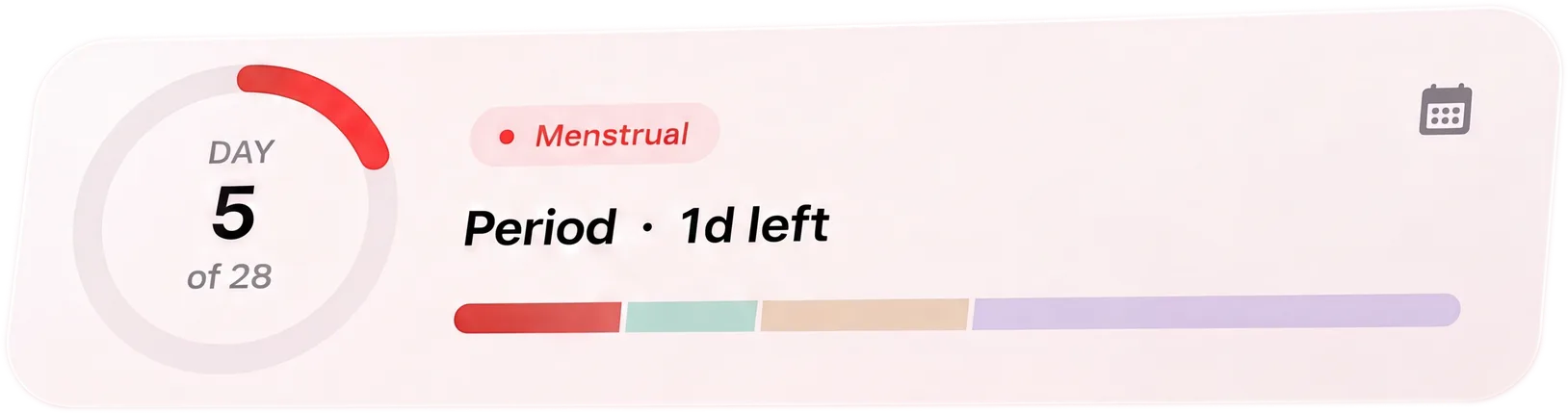
BaeMax cycle card showing day 5 of 28, menstrual phase, and one period day left
Short answer

BaeMax can import usable period history from text pasted out of CSV, TSV, calendar ICS, or plain date exports. It recognizes compatible formats associated with Clue, Flo, Apple Health, Ovia, Garmin, and Fitbit, previews entries, shows warnings, normalizes dates, and deduplicates before saving. Keep the source file only if you need it, and remove stray copies from Downloads, email, cloud drives, or shared folders. Not every source column or symptom field will map.

Practical guide

Move history carefully, not blindly

Importing old period history is useful only if you can see what the app recognized before it writes anything permanent.

What BaeMax can import

BaeMax focuses on usable date-based period history. Different apps export different columns, names, and formats, so perfect mapping should not be assumed.

  • CSV and TSV date files
  • Calendar ICS event text
  • Plain date text
  • Exports from common trackers when dates are recognizable

What the preview is for

The preview step lets you catch bad dates, duplicate entries, weird ranges, and columns that do not map cleanly.

  • Recognized entries shown before saving
  • Warnings before import
  • Date normalization
  • Deduplication before writing

Before importing

Keep your original export untouched. Imports are easier to trust when you can compare against the source if something looks wrong.

  • Save a copy of the original file
  • Spot-check first and last entries
  • You shouldn't expect every symptom field to map
  • Use the report after checking that history looks right

After importing

A period CSV can be more sensitive than it looks. Once you have checked the import, decide where that file should live.

  • Keep the original only if you need an archive
  • Move it out of Downloads if other people use the device
  • Delete extra copies from email, cloud drives, or shared folders
  • Send a short report instead of the raw CSV when possible

Audit the dates before trusting a prediction

Imports can be syntactically valid and still be wrong. Month and day order, time zones, duplicate start dates, missing end dates, and events exported at midnight can shift the history. Compare several entries across different years with the original app or calendar. Check the longest and shortest cycles for obvious mapping errors, then inspect any bleeding episode that crosses a month or year boundary. Do not let imported estimates guide planning until the underlying dates make sense.

  • Import a small copy first when the tool allows it.
  • Keep dates you can verify and mark uncertain history rather than guessing.
  • Check whether symptom columns were ignored, merged, or converted into notes.
  • Generate a report after import and compare its first, middle, and last cycle with the source.
  • If the source app uses predicted dates as calendar events, exclude them or label them separately so forecasts are not imported as observed periods.
How it works
  1. Export or prepare a CSV or TSV that contains recognizable period dates.
  2. Copy the export text, open BaeMax's Import Period History screen, and paste from the clipboard.
  3. Read the preview instead of assuming every row mapped correctly.
  4. Check warnings for malformed, missing, or ambiguous dates.
  5. Look for duplicates where the same period was already entered manually.
  6. Save the recognized history, then spot-check several months in the historical cycle list.
  7. Move or delete the source CSV after import if leaving it in Downloads, email, or cloud storage would expose private history.
What it does
Preview first

Nothing should land sight unseen

The import flow shows what it recognized and warns about problems before saving, so you can back out instead of cleaning up a bad import later.

Less date chaos

Normalize and deduplicate

BaeMax cleans supported date shapes and reduces duplicate or malformed history rather than treating every row as a new period.

More than one route

Paste delimited, calendar, or plain date text

CSV and TSV are not the only options. BaeMax also parses pasted calendar ICS events and recognizable plain date text.

  • Keep an untouched copy of the original export
  • Decide where that original should live after import
  • Confirm that the file contains period dates, not only app activity rows
  • Review every warning before saving
  • Spot-check the first, middle, and latest imported periods
  • Expect period history to map better than app-specific custom symptom fields
Key facts
File types
CSV and TSV
Other routes
Calendar ICS and plain date text pasted from the clipboard
Before saving
Preview and warnings
Cleanup
Date normalization and deduplication
File privacy
Review where the source CSV is stored after import
Known source shapes
Clue, Flo, Apple Health, Ovia, Garmin, and Fitbit when usable dates are present
Platform
Android private beta now. iPhone version in development.

Common questions

can i move years of period dates without tapping every month by hand?
Yes, if your CSV or TSV contains usable dates that BaeMax recognizes. Use the preview and warnings before saving, then spot-check the imported history. A source-specific file may include columns BaeMax does not map.
does it import csv files from flo or clue?
BaeMax's importer recognizes compatible text copied from exports associated with Flo, Clue, Apple Health, Ovia, Garmin, and Fitbit when usable dates are present. Export shapes can change, so judge your copy by the preview rather than the source name.
will all my old symptoms and notes come across too?
You shouldn't assume that. The reliable goal is usable period history, and app-specific symptom names or custom columns may not map. Keep the original export only if you need an archive, and store it somewhere private.
what happens if the csv has the same period i already added?
BaeMax performs date normalization and deduplication, and the import preview should expose conflicts before saving. Still inspect the calendar afterward because no importer should be treated as infallible.
can i paste dates if i don't have a real csv file?
Yes. Clipboard paste is how the import screen receives the data. It can recognize plain date text as well as compatible CSV, TSV, and calendar ICS content.
can i do the import on iphone?
The current import is available in the Android beta. If you cannot install it, keep the original export somewhere private until you choose another import route.

Turn the signal into something useful

Use BaeMax when a partner needs a clearer check-in, a short note, or one practical task instead of another long conversation.

Android private beta. The iPhone version is in development.