Signals that do not mean what you think
A short text is weak evidence. So is a slow reply. So is a flat voice after work. Those can mean something, but they can also mean nothing about you.
- Short reply can mean busy, not upset
- Quiet can mean low energy, not rejection
- Delayed response can mean work, sleep, pain, or no energy
- Guessing from fragments creates extra conflict
What helps
A signal works when it is one your partner chooses to send. A small check-in works better than repeated interrogation because it starts from what they share, not your suspicion.
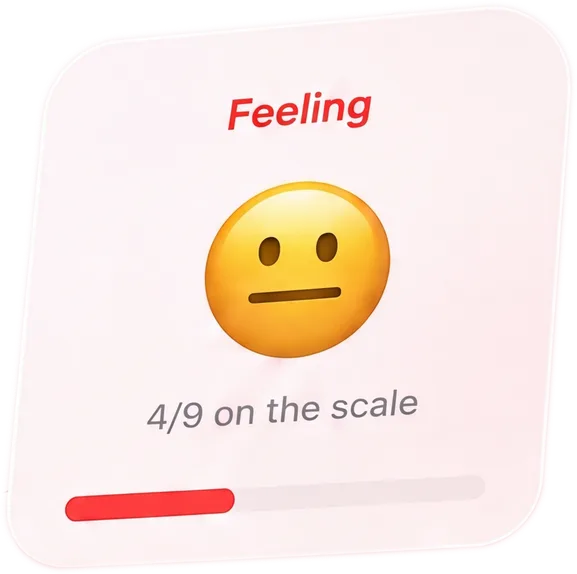
- Let them choose a simple feeling or check-in
- Ask what support they want before the bad day happens
- Offer one concrete action instead of ten questions
- Follow up later if they do not have words yet
What not to do
Do not turn support into a private investigation. If there is no agreed signal, ask once in a calm way and accept the answer for now.
- Leave read receipts, tone, and every pause alone
- Let the answer stand instead of asking for proof
- Treat a bad day as theirs before making it about you
- Do ask what signal would feel helpful next time
How BaeMax fits this
BaeMax is not reading mood, predicting emotion, or diagnosing a bad day. It gives your partner a low-effort way to say how today feels and what kind of help would land.
- Quick check-ins give your partner clearer context
- Notes can explain the thing that matters
- Shared tasks turn care into action
- Consent matters: the signal only works if they want to use it