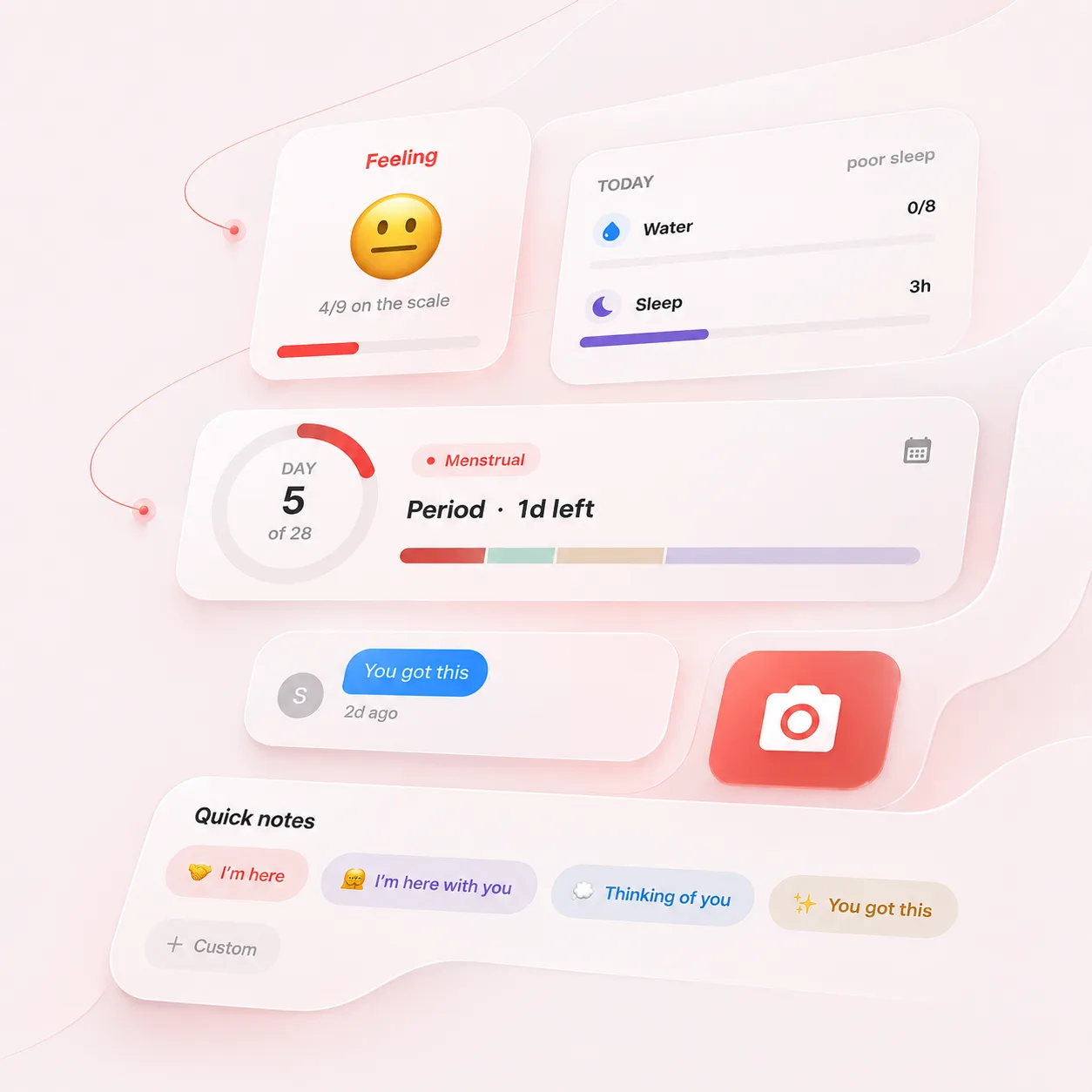
Check the current purchase screen
Look for the renewal interval, trial end date, cancellation route and which features sit behind payment. A store listing is more reliable than an old comparison article for those details.
- Monthly versus annual renewal
- Automatic renewal after a trial
- Limits on the unpaid version
- Cancellation and refund instructions
Plan for a clean exit
The harder an app is to leave, the more a future price change matters. Check whether you can export important records and whether shared content remains understandable outside the app.
- Export formats you can open elsewhere
- What deletion removes
- Whether both partners need to export
- What happens to shared history after unpairing
Ask how an unpaid app funds itself
An app may use ads, paid upgrades, outside funding or another model. The important question is whether that model creates pressure to collect more relationship or health data than the product needs.
- Read the privacy policy
- Look for advertising and analytics disclosures
- Check whether personal data is sold or shared
- Separate necessary delivery data from ad profiling
Avoid the free-app trap
No subscription is not automatically better. A free app can still be expensive if it relies on ads, data sale, dark patterns, lock-in, or a weak export path. Ask how the product sustains itself and how you leave.
- See the BaeMax download page for pricing details.
- Check ads, analytics, data-sale language and export options.
- Prefer a boring clear business model over vague “free forever” copy.
BaeMax pricing today
BaeMax has no public paid plan during private beta. Before relying on any paid plan, check the current download or purchase screen for what changes, what stays available and how to leave with an export. Do not build a private habit around any app without knowing where those answers live.
Calculate the cost for both people, not the headline price
A couples app can price per person, per pair, per feature, or per storage tier. Check whether both partners must pay, whether one purchase covers the shared space, and whether an annual discount renews at the same amount. Then compare the cost with the few functions you expect to use. A free check-in app plus an existing calendar may be better than paying for a large bundle; a predictable one-time purchase may be better than combining several tools. Include the cost of leaving: exports, inaccessible history, or features that stop working when a trial ends.
- Write down the monthly and annual total for the pair.
- Check which partner owns the subscription and what happens if that account leaves.
- Confirm whether unpaid access can still read or export existing history.
- Set a calendar reminder before a trial or annual renewal rather than relying on memory.
- Check taxes, regional prices, and store-family sharing on the actual purchase screen; an old review may show a different market or plan.
- Decide in advance what monthly price would make you leave, and test export before that decision becomes urgent.
- No subscription does not mean lifetime access; a one-time product can still close, change ownership, or stop receiving updates.
- Recheck cancellation instructions through the store that processed the purchase, since deleting an app usually does not cancel a renewal.
- Confirm whether a refund request follows the app developer's policy or the app store's process.