What a shared task needs to make clear
BaeMax provides a place for small shared tasks. Before relying on the beta, test whether its current task controls represent the agreements your household needs.
- The next concrete action
- Who has agreed to handle it
- What finished means
- Whether timing belongs in a dedicated calendar
The person who notices should not always manage it
Fair use means both people add tasks, clarify what done means and follow up on work they own. If one person still notices every problem, enters every task and reminds the other, the app has only moved the mental load onto a screen.
What belongs outside the app
If one partner refuses to participate, software will not fix the deeper issue.
- Fairness conversations
- Expectations
- Resentment
- Different standards of done
Best use
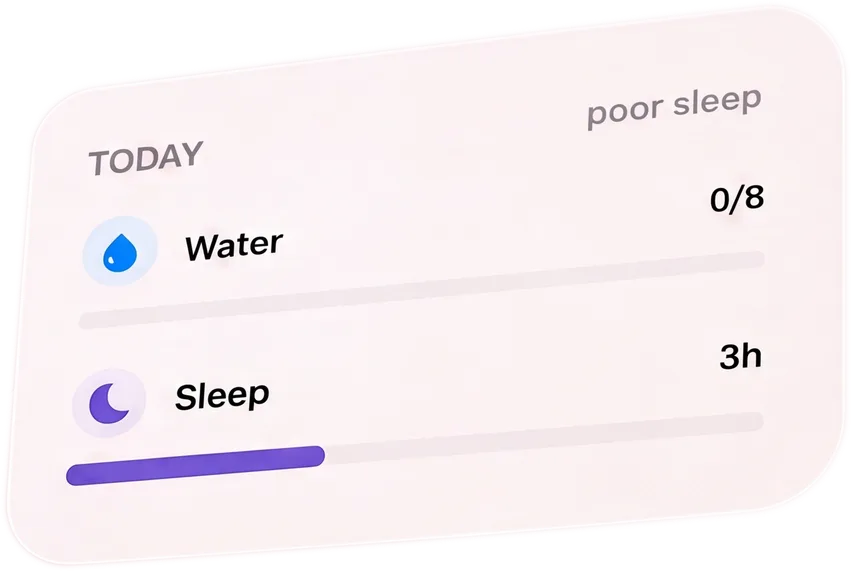
Use tasks beside check-ins so responsibilities and energy are seen together.
- Low-energy days
- Chores
- Errands
- Support tasks
Transfer ownership, not only the final chore
A responsibility includes noticing, timing, supplies, doing it and checking completion. If one person enters 'replace air filter,' finds the size, sends the shop link and reminds the assigned partner, the mental load did not transfer. Name one owner for the complete next cycle. That person can ask for a constraint once, then carries the planning and follow-up until the task is done or openly renegotiated.
Run an administration audit
Review one week and mark who noticed, entered, clarified, rescheduled, reminded and reopened each task. Do not score only completed chores. If the same person maintains the list while the other completes assigned items, redistribute list administration as well as tasks. Remove entries nobody accepts, move long projects to a stronger planner and choose one area each partner owns without supervision. The useful result is less remembering work for one person, not a fuller dashboard.
Include the invisible finish line
Define a task from noticing through completion. 'Book the dentist' includes finding a suitable clinic, checking coverage, choosing a time, adding the appointment to the calendar, and storing any instructions. If one partner still has to supply every detail and verify the result, the task was delegated but the mental load was not.
- Write the outcome and any real deadline
- Give the owner access to the information needed to decide
- Let the owner choose the method unless a constraint matters
- Schedule a review only for work with genuine consequences
Use capacity to rebalance temporarily
Work deadlines, illness, disability flares, caregiving, and difficult cycle days can change what is fair this week. A check-in can make capacity visible, but it should not automatically assign work to the other person. Ask, transfer a whole next action, and name when the temporary arrangement will be reviewed.